Offering your boat, jet ski, or other marine craft as part of a home stay can seem like a generous and appealing bonus, especially for guests visiting coastal or lakefront locations. But as with vehicle sharing, there are important risks and responsibilities to consider before making such an offer. This guide explores the key benefits and disadvantages of sharing your watercraft during a home exchange or guest stay.
The Potential Benefits of Allowing Use of Your Marine Craft During a Homestay
 1. Stand Out in a Competitive Market
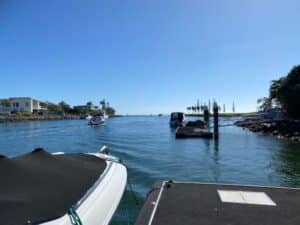
In holiday destinations where water activities are a drawcard, offering access to your boat or marine craft can make your home more desirable to potential guests or exchange partners. It adds a level of convenience and excitement that few properties offer.
2. Enhances Guest Experience
Guests will likely appreciate the freedom to explore the local waterways, go fishing, or enjoy recreational boating, especially if they’re travelling with family or friends. Providing access to a boat can elevate their entire stay.
3. Encourages Reciprocal Sharing
In home exchanges, allowing use of your boat may encourage your guest to offer something equally valuable in return, such as use of their boat, vehicle, or premium property features.
4. Keeps the Vessel in Use
Just like vehicles, boats benefit from regular use. Allowing your boat to sit idle for extended periods can result in battery drain, engine issues, and maintenance problems. A responsible guest using it carefully may help keep systems functioning.
The Real Disadvantages
 1. Insurance Limitations and Legal Liability
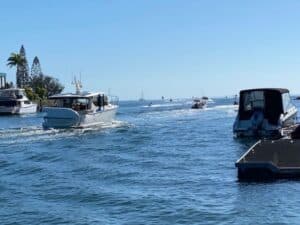
Most standard marine insurance policies don’t automatically cover guest or third-party use. If your boat is involved in an accident while under guest control, you may be personally liable for damages, injuries, or even lawsuits. Additionally, if the guest lacks a valid boating license, your policy may be void.
2. Risk of Damage or Theft
Accidents happen, even with experienced boaters. Whether it’s hitting submerged debris, scratching the hull, or damaging the propeller, repairs can be expensive. There’s also the risk of theft or irresponsible use.
3. Maritime Law Compliance
Boating regulations vary by country and region. If your guest doesn’t understand local rules or fails to comply, you as the owner may still bear legal responsibility. This includes speed zones, safety equipment, and alcohol restrictions on the water.
4. Maintenance and Wear
Even careful use results in wear and tear: salt buildup, upholstery damage, fuel costs, and general maintenance add up. You’ll need to factor in cleaning, inspections, and potential repair time before your next use.
5. Safety Concerns
Unlike car travel, boating comes with unique safety risks. Capsizing, injury, or emergency situations can escalate quickly on the water. If your guests aren’t competent operators, you’re potentially opening yourself up to very serious outcomes.
What You Can Do to Minimise Risk
If you are considering offering your marine craft, protect yourself by:
- Checking your insurance policy: Confirm that guest operators are covered, or ask about a short-term extension.
- Requiring a valid boating license: Guests should provide proof of licensing and boating experience.
- Using a Boat Use Agreement: This outlines who can use the vessel, where, when, and under what conditions. It should also clarify fuel use, damage liability, and emergency procedures.
- Limiting use to specific areas: You may choose to allow boating only in local waters, during daylight hours, or under calm conditions.
- Providing a safety briefing: Leave written instructions for operation, safety procedures, emergency contacts, and local maritime rules.
When You Should Say No
There are times when sharing your boat simply isn’t worth the risk:
- Your vessel is uninsured for guest use
- You’re unsure of the guest’s boating experience
- The craft is high-value, vintage, or particularly sensitive to damage
- Local waterways are complex or risky to navigate
- You wouldn’t feel comfortable letting a friend borrow it
In these cases, it’s safer to recommend a local rental service or tour provider instead.
Conclusion
Allowing guests to use your boat or marine craft can be a powerful value add, but it’s not a decision to take lightly. The potential for damage, liability, and safety issues is real. If you choose to go ahead, clear communication, legal documentation, and proper insurance coverage are essential.
 Need help? Download our Boat or Marine Craft Use Agreement template from the Resource Library to get started.
Not a member of Hombie? You can join here and use all of out templates and resources.