Can You Trust a Stranger with Your Home
The idea of home exchange can sound wonderful.
You stay in a beautiful home somewhere you’ve always wanted to visit.
You have the space, privacy and comfort of a real home. You experience the neighbourhood rather than simply passing through it as a tourist.
Then another thought enters your mind.
But who is staying in my home?
For many homeowners, this is where the excitement of home exchange meets its biggest obstacle:
Trust.
Your home isn’t simply a building. It’s your private space. It contains your possessions, photographs, memories and keepsakes you’ve spent decades collecting.
So allowing someone you’ve never met to live there can understandably feel uncomfortable.
But successful home exchange isn’t about blindly trusting a stranger.
It’s about having enough information, communication and control that the person you’re welcoming into your home no longer feels like one.

Why Trust Is Such a Big Issue With Home Exchange
Your Home Is More Than a Property
When you book a hotel room, trust works differently. You arrive, stay and leave.
Your home is personal.
It may contain artwork you’ve collected, furniture you’ve carefully chosen, family photographs and sentimental possessions. More importantly, it’s where you feel comfortable and secure.
So the real concern isn’t simply, will someone damage my home? It’s:
Will they respect my home the way I do?

The Fear of the Unknown
Much of the anxiety surrounding a first home exchange comes from uncertainty.
Who are these people?
Are they genuinely who they say they are?
Will they respect our home?
What happens if something goes wrong?
These are sensible questions.
Trust shouldn’t mean ignoring risk. It should mean gathering enough information to make an informed decision about the people you’re considering welcoming into your home.
You Don't Simply Hand Your Keys to a Stranger
One of the biggest misconceptions about home exchange is that joining means opening your home to whoever wants to stay there.
It doesn’t.
You Decide Who Stays in Your Home
Home exchange is based on agreement between members.
Someone may be interested in your home, but that doesn’t mean you have to accept their request.
You can learn about them, communicate with them and decide whether the exchange feels right.
Do they communicate well?
Who will be travelling with them?
Do they appear to take the same pride in their home that you take in yours?
Most importantly: Do you feel comfortable with them?
Saying No Is Always an Option
You don’t need a dramatic reason to decline an exchange.
Perhaps the travelling party isn’t suitable for your home. Perhaps the dates don’t work. Or perhaps you’ve communicated but haven’t developed the confidence you need.
That’s enough.
Maintaining control over who enters your home is an important part of feeling comfortable with home exchange.
Know Who You're Exchanging With
Trust becomes easier when anonymity disappears. The more you know about another member, the better equipped you are to decide whether you’re comfortable exchanging with them.
Member Verification Is the Starting Point
Verification should be one of the first things you investigate when choosing a home-exchange community.
Does the platform verify its members?
What information is required before someone can participate?
What processes create accountability?
Verification can’t guarantee that nothing will ever go wrong, but it begins replacing anonymity with identity and accountability.
Profiles and Reviews Help Build Confidence
Look beyond the profile photograph.
Read what members say about themselves, their family, their home and how they like to travel.
Consider how they present their own property. Someone who clearly takes pride in their home may give you greater confidence that they understand what it means to be entrusted with yours.
Where available, previous reviews provide another useful layer of reassurance.
Were they respectful?
Was communication good?
Was the home cared for?
Reviews don’t replace your own judgement, but they can help you build a more complete picture of the people behind the profile.
Communication Turns Strangers Into People You Know
This may be one of the most important elements of a successful home exchange.
Talk to each other.
Talk Before You Agree
Use the communication tools provided by the home-exchange platform to get to know the other member.
Why are they travelling to your area?
Who are they travelling with?
Have they exchanged homes before?
What attracted them to your home?
As the conversation develops, something important happens.
The person on the other side of the screen begins to become a real person rather than an anonymous profile.
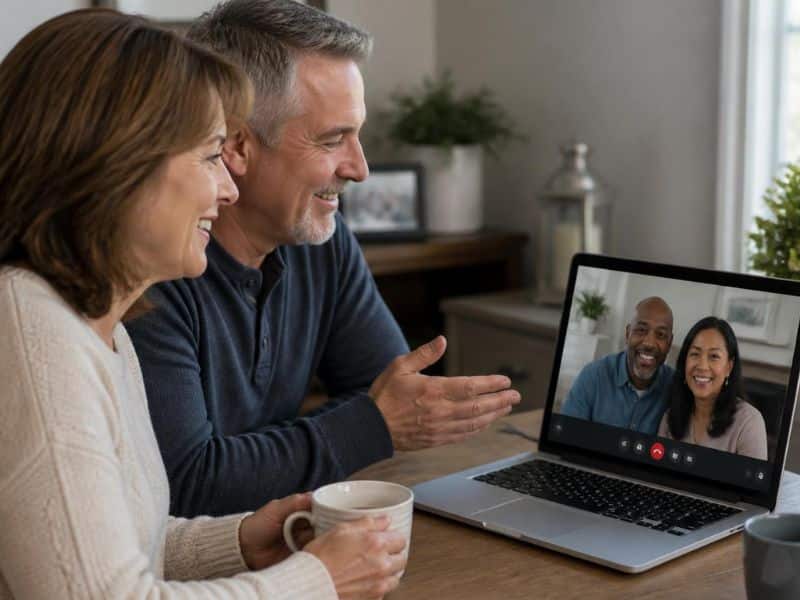
Consider a Video Call
For a longer exchange—or simply for additional reassurance—a video call can be invaluable.
You can introduce yourselves properly, discuss the exchange and perhaps give each other a virtual tour of your homes.
A short conversation can establish a level of familiarity that’s difficult to achieve through messages alone.
Trust Your Judgement
Technology can provide verification.
Reviews can provide reassurance.
Profiles can provide information.
But your own judgement still matters.
If something doesn’t feel right, don’t proceed.
You don’t owe anyone an exchange.
Look for People Who Will Treat Your Home Like Their Own
There is an important difference between staying in a hotel and staying in another person’s home. Home exchange involves mutual responsibility.
Shared Standards Matter
You’re not simply a host and a paying guest.
You’re two homeowners trusting each other.
Both understand what it means to take pride in a home. Both understand how uncomfortable it would be to return and discover their property hadn’t been respected.
That shared experience can create a strong foundation for mutual respect.
Respect Goes Both Ways
Think about how you would behave in another member’s home.
You’d probably take more care than you would in a hotel room.
You’d be careful with their furniture, follow their instructions, respect their neighbours and leave the property the way you’d hope to find your own.
That’s the principle on which good home exchange operates.

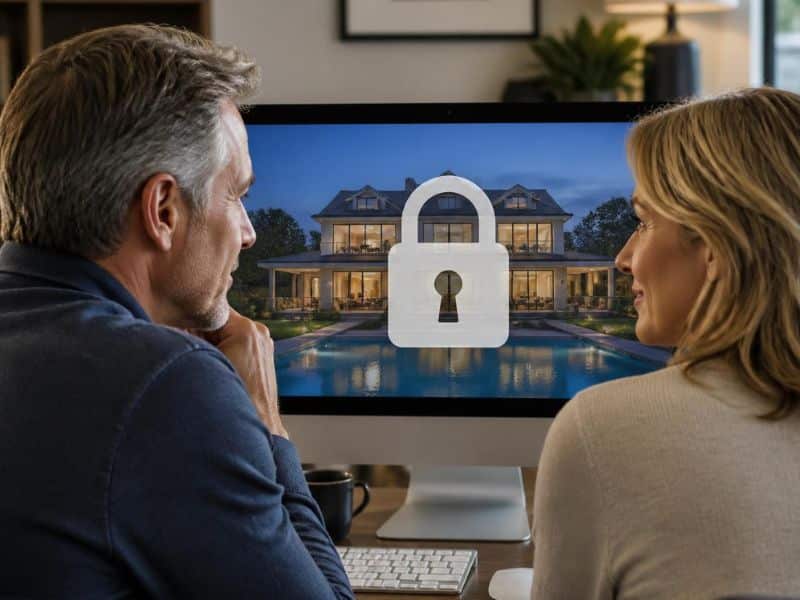
Protect Your Privacy and Set Clear Boundaries
Trust doesn’t mean abandoning sensible precautions. You can welcome someone into your home while maintaining boundaries around your privacy.
Decide What Information You Share
Before joining any platform, understand its privacy controls.
Who can see your property?
How much of your location is displayed?
Who can contact you?
What personal information becomes visible?
For privacy-conscious homeowners, these questions matter.
Put Away Private or Valuable Items
Before an exchange, securely store anything you don’t want accessed.
This could include personal documents, financial information, jewellery, sentimental possessions or business records.
If a particular room or cupboard is private, make that clear.

Establish Your Boundaries
Every home is different. Perhaps the wine cellar is private. Perhaps the car isn’t included. Perhaps guests are welcome, but parties aren’t.
Clear boundaries don’t undermine trust. They strengthen it because everyone understands what is expected.
Agree on the Details Before Anyone Arrives
Many problems between people arise not from bad intentions but from different expectations. One person’s idea of leaving a home clean may be very different from another’s.
So don’t leave important details unspoken. Discuss things such as arrival and departure, keys and security, cleaning, pets, pools, parking, visitors and any private areas of the home.
A simple home guide can also help. This becomes a handy reference to go back to for the guest.
Explain how important appliances work, where the bins go, how to operate the security system and who to contact if something goes wrong.
Clear expectations reduce misunderstandings—and make it easier for someone to look after your home properly.
Start With an Exchange You're Comfortable With
Your first home exchange doesn’t need to be a three-month stay on the other side of the world.
Start at whatever level feels comfortable.
Perhaps you choose a shorter exchange.
Perhaps you select someone with several previous exchanges and positive reviews.
Perhaps you simply spend more time communicating before agreeing.
The objective isn’t to be adventurous with your first exchange.
It’s to have a positive one.
Confidence Comes From Experience
The first exchange is often the biggest psychological hurdle because everything is unfamiliar.
Then you return home.
Everything is where you left it.
Perhaps there’s a note thanking you for sharing your home.
Meanwhile, you’ve spent a wonderful few weeks living in someone else’s home and experiencing their neighbourhood.
Suddenly, home exchange isn’t an abstract idea anymore.
You’ve experienced it.
And confidence begins replacing uncertainty.

So Can You Trust a Stranger With Your Home?
Perhaps that’s the wrong question. You shouldn’t simply choose a stranger on the internet and hope for the best.
Trust should develop in layers.
Verification provides identity.
Profiles provide information.
Reviews provide reassurance.
Communication creates familiarity.
Clear expectations establish boundaries.
Mutual approval gives you control.
Your own judgement makes the final decision.
By the time you agree to an exchange, the person staying in your home shouldn’t feel like a complete stranger anymore.
You know who they are.
You know who they’re travelling with.
You’ve seen their home.
You’ve communicated.
Perhaps you’ve spoken face-to-face over video.
You’ve discussed expectations.
And importantly, you’ve chosen to say yes.
That’s very different from blindly trusting a stranger.
So if trust is the one thing preventing you from considering home exchange, perhaps there’s another way to think about it.
Don’t ask whether you’re prepared to trust a stranger with your home.
Ask whether you’re prepared to get to know someone well enough to decide for yourself whether you trust them.
Because the best home exchanges don’t begin when someone arrives at your door.
They begin much earlier—with a conversation, mutual respect and the confidence to say yes.